Reflections from the participation in the session of the WHO Regional Committee for Europe and the Annual Forum of the EU Strategy for the Baltic Sea Region
Health ministers and high-level delegates from the 53 Member States of the WHO European Region, as well as representatives of partner organizations and civil society, met in Copenhagen, Denmark, on 28–30 October 2025 for the 75th session of the WHO Regional Committee for Europe (RC75).
The conference began with a political focus with addresses by the WHO Director-General and WHO Regional Director for Europe and, among other topics, continued with covering two draft strategies to be considered for adoption:
- A healthy start for a healthy life: a strategy for child and adolescent health and well-being in the WHO European Region 2026–2030; and
- A strategy on harnessing innovation for public health in the WHO European Region 2025–2030.
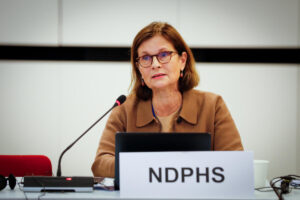 Ülla-Karin Nurm, the director of the NDPHS Secretariat joined the 3-day event and contributed to the discussion on a strategy to be developed and finalized in 2026: Ageing is living: a strategy for promoting a lifetime of health and well-being in the WHO European Region 2026–2030. In her statement Dr. Nurm highlighted:
“The strategy Ageing is Living provides a timely and essential framework for addressing the demographic changes reshaping our healthcare systems, labour markets, and social protection. Its vision rightly views ageing not as a decline but as a stage of life in which health, dignity, and participation are preserved and valued. We strongly welcome the strategy’s emphasis on prevention, person-centred approaches, community-based support, and challenging ageism. (..) Reimagining ageing cannot be achieved by the health sector alone. A fulfilling working life is a key determinant (..). Our cooperation aims to foster a cultural shift towards inclusivity, enhance employment opportunities for older persons, and promote age-friendly workplaces that value intergenerational solidarity through the Solutions for Age-Friendly Employer (SAFE) project.”
Dr Nurm also delivered an intervention for the general discussion, highlighting the NDPHS initiatives deepening cooperation between culture and health. These efforts are being consolidated within an EU-funded, strategically important operation — the Baltic Sea Region Mental Health project platform.
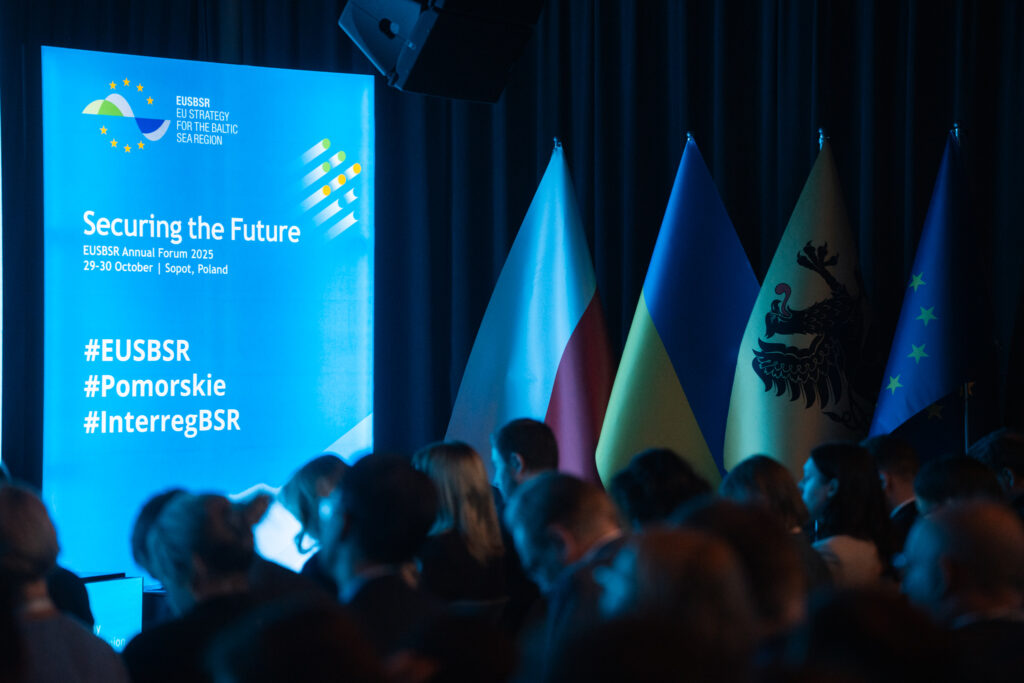
During the same week in Poland, the NDPHS Secretariat represented Policy Area Health in the EU Strategy for the Baltic Sea Region Annual Forum: Securing the Future. “The Baltic Sea should be a sea of peace, prosperity, and freedom,” said Igor Taro, Estonian Minister of the Interior, in the opening panel of the 16th edition of the Forum. The three plenary sessions at the Forum centered on comprehensive security, energy security, and the economy in a rapidly changing world. There was a strong consensus that security talk cannot drive over everything else. Investing in culture and societal cohesion in uncertain times is a must. As a Policy Area (PA) Health Coordinator in the macro-regional strategy, NDPHS strongly welcomes this mindset and has long worked toward a Health in All Policies approach as one of its strategic directions.
Among the wide range of sessions, PA Health led a parallel session “When Yoga Session Is Not Enough: How to Sustainably Promote Mental Well-being at Work”. The participants were challenged to look beyond surface-level solutions and instead focus on system-level approaches to promoting mental health in the workplace.
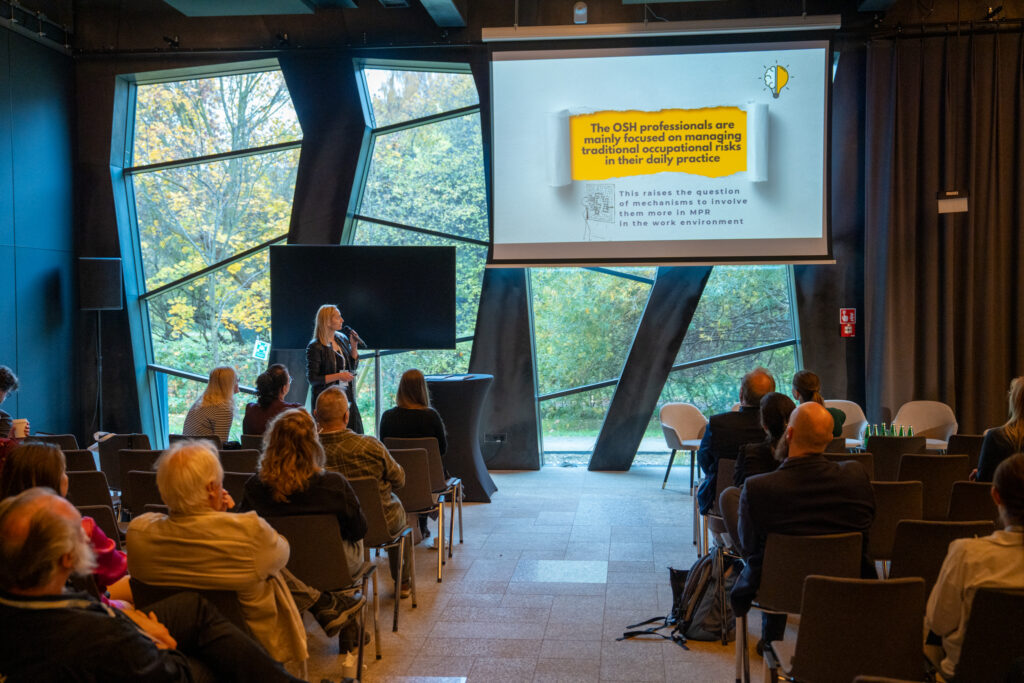
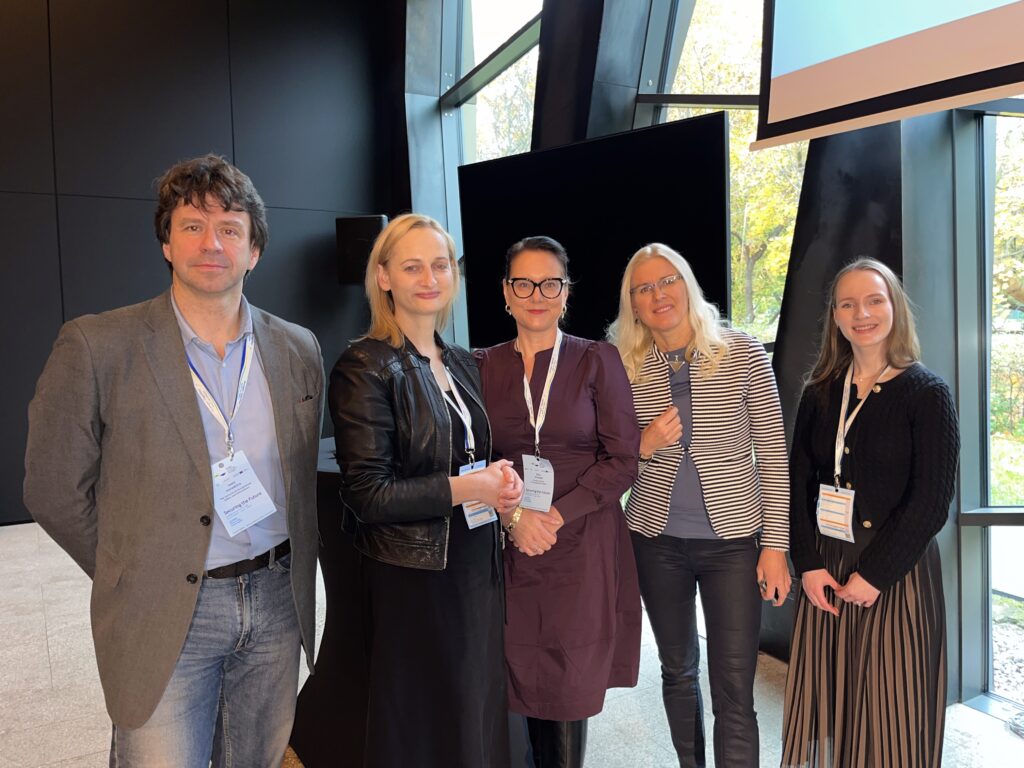
The session brought together experts from Estonia, Finland, Latvia, Poland, and Norway, all partners in the Interreg Baltic Sea Region project “MentalHealthMatters.” This initiative aims to empower employers and workplace leaders to tackle psychosocial risks and promote healthier, more resilient work environments. The discussion touched on practical and policy-level actions that can help ensure mental health is sustainably embedded in occupational safety and health (OSH) systems across the region.
The speakers agreed: while awareness of mental health at work is increasing, significant barriers remain. In Estonia, as Associate Professor Karin Reinhold from Tallinn University of Technology stressed, stigma still prevents open discussions around mental health, particularly in small businesses. Even after the development of national framework for progress, real change will require long-term, well-funded action and continued awareness campaigns. Meanwhile, Ivars Vanadziņš (Riga Stradiņš University, Latvia) and Eliza Goszczyńska (Nofer Institute of Occupational Medicine, Poland) emphasized that despite growing recognition of psychosocial risks, many employers continue to prioritise physical safety over psychological well-being. To address the situation, improvements in legislation, better training for OSH professionals, and stronger diagnostic and support systems for work-related mental disorders are needed. Last but not least, Elina Virtanen, Senior Specialist at the Finnish Institute of Occupational Health presented Finland’s National Community of Practice approach, which brings together occupational health experts to foster shared understanding and training. She underlined that interprofessional education can strengthen risk identification and management, particularly in small and medium-sized enterprises with limited resources. In Finland, despite having a strong occupational health structure, psychosocial risks remain difficult to address.
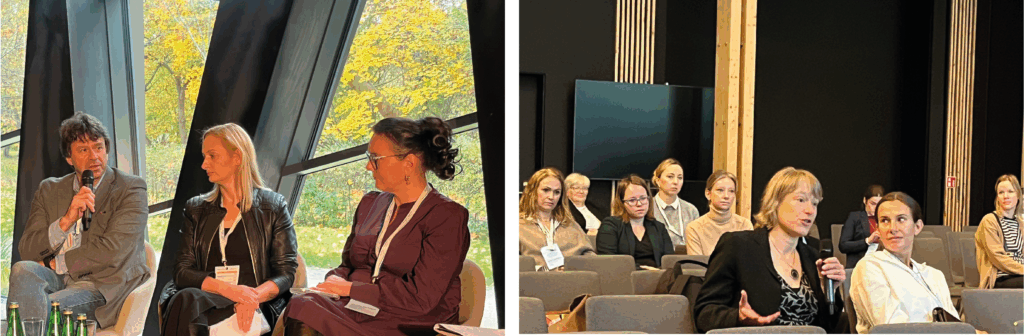
All speakers highlighted the importance of policy reform, education, and employer engagement as key to build mentally safe workplaces, and the session demonstrated how regional collaboration can accelerate progress. The shared experiences of Baltic Sea Region countries revealed that although contexts differ, the underlying challenges, such as stigma, limited awareness, and fragmented systems, are very similar. As discussions in Sopot made clear, achieving lasting improvement in mental well-being at work is not about quick fixes or one-off activities. It is about creating systems that empower employers and employees alike, grounded in evidence, education, and empathy.
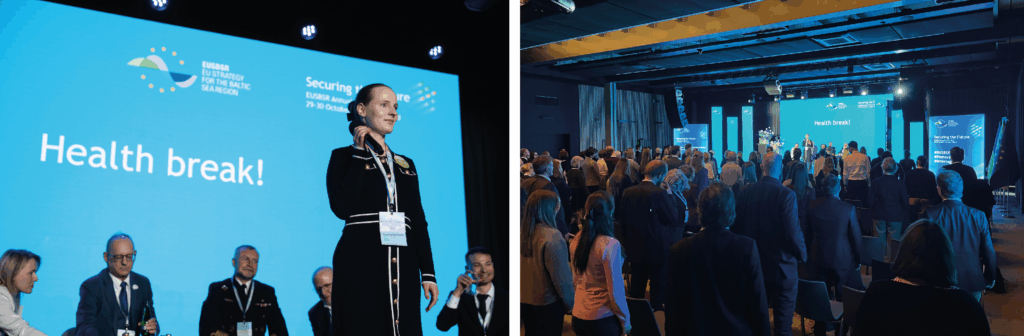
Beyond the session, PA Health continues to lead the Forum’s Healthy Breaks, which has become an integral and much appreciated part of the official programme. By promoting short and engaging activities during the event, PA Health encourages participants to take a pause, stretch, and focus on their physical and mental well-being.
The 17th EUSBSR Annual Forum next year will be hosted in Tallinn from June 8 to June 10. We, Policy Area Health, will meet you there! Read more.
The host for the Annual Forum 2025 is the Pomorskie Voivodeship, and the Forum is organised together with the Council of the Baltic Sea States Secretariat, in close collaboration with the Ministry of Foreign Affairs of the Republic of Poland and the Baltic Sea Strategy Point. The event is funded by the Interreg Baltic Sea Region, the Pomorskie Voivodeship, and the Council of the Baltic Sea States.