From Preparedness to Recovery: Rethinking Workforce Resilience in Times of Crisis
The EPIC – “Effectively Prepared in Crisis” project funded by the Swedish Institute, aims to strengthen transnational cooperation in health-related crisis preparedness and response across the Baltic Sea Region. The workshop in Tallinn focused on organisational resilience and preparedness, using work ability as a central analytical lens. It served as a needs assessment and conceptual foundation for identifying gaps in how organizations and their workforces anticipate, manage, and recover from periods of acute strain. The exercises were specifically designed to progressively move from identifying key organizational determinants of work ability to diagnosing concrete capacity gaps and needs across the entire emergency lifecycle.
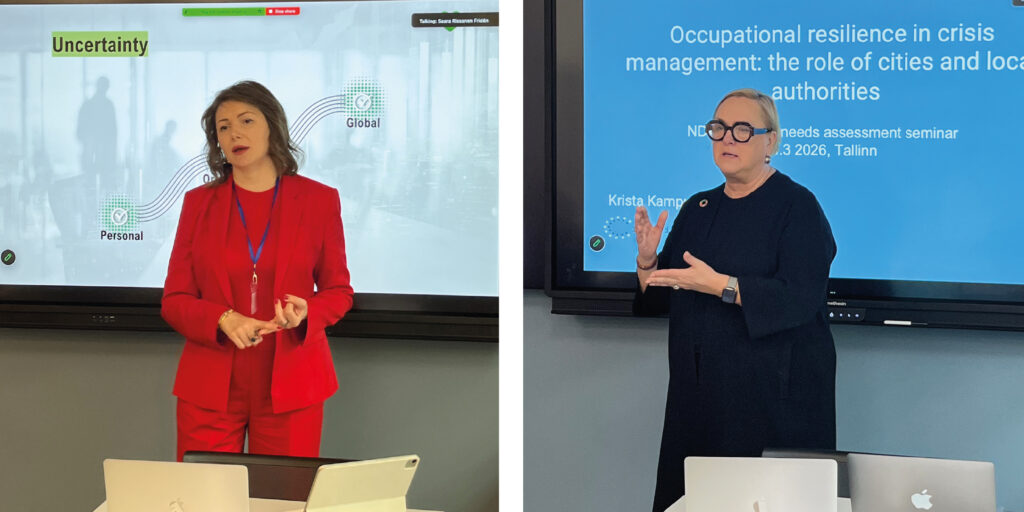
The day began with expert presentations on leadership, volunteerism, and psychological support:
– Work ability and organisational resilience, Elina Virtanen, Finnish Institute of Occupational Health
– Empowering employee resilience in Ukraine, Olena Bondar, Well-being Company, Ukraine
– Leadership competencies in crisis management, Karin Reinhold, Tallinn University of Technology
– The role of volunteers in crisis response, Krista Kampus, BalticTalks, Estonia
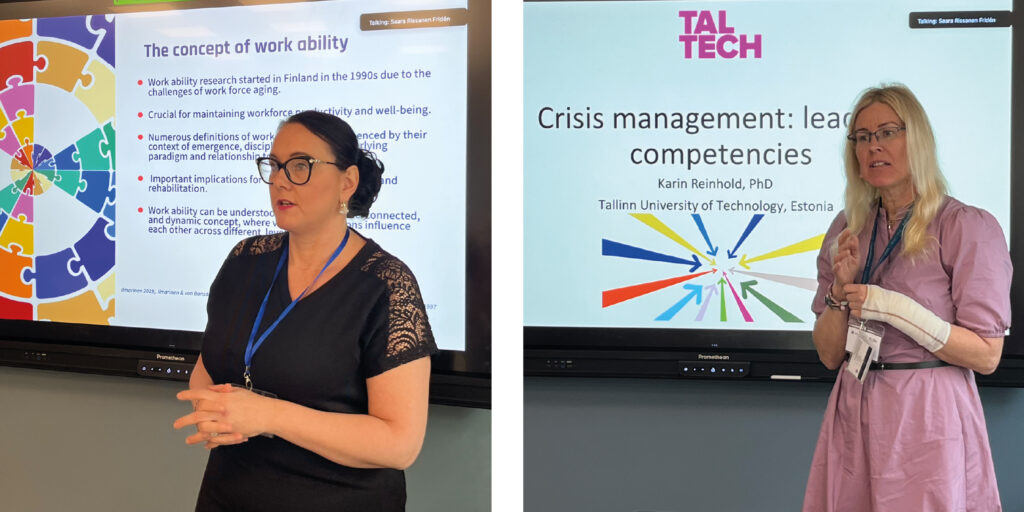
In the subsequent collaborative exercises participants worked in small teams to identify how workplace actors, safety professionals, and health services can mitigate the impact of acute strain on employees. By examining the lifecycle of an emergency from preparedness to recovery, the workshop aims to pinpoint capacity gaps and essential support structures. Ultimately, these activities serve as a needs assessment to ensure that high-risk sectors can sustain a healthy, effective workforce through large-scale disruptions or traumatic events.
The following key topics and system challenges were identified during the workshop as priorities for further exploration to strengthen crisis preparedness and organizational resilience. The points reflect recurring themes across the individual reflections:
Stronger coordination and cooperation across systems emerged as a major priority. Participants noted that existing structures are often too fragmented, making communication, decision-making, and cross-sector collaboration more difficult during crises.
Better use of lessons learned from past emergencies is also essential. This means not only identifying what worked and what didn’t, but ensuring that this knowledge is translated into policies, guidelines, and everyday practices—and shared more effectively across countries and sectors.
Preparedness and workforce capacity were identified as critical gaps. This includes investing in training, planning, and clearer roles before a crisis occurs, so organizations are better equipped to respond when pressure rises.
Mental health and workforce resilience were highlighted as key concerns throughout all phases of a crisis. In particular, participants pointed to the need for stronger support systems both to prevent burnout and to support recovery—especially for frontline workers and those caring for others.
Leadership in times of crisis plays a crucial role. Discussions emphasized the need to better understand and develop the skills required for effective crisis management, particularly among mid-level managers who are often central to implementation.
The capacity of occupational health services and workplace safety systems also requires attention, especially in relation to providing psychosocial support and ensuring these services are well integrated into broader crisis response efforts.
Participants further stressed the importance of data and information sharing. Reliable data and stronger collaboration between research and practice can support more informed and timely decision-making.
Another key issue is the need to better identify and support vulnerable groups of workers, particularly those most exposed to stress and risk during crises, and to ensure that existing systems adequately meet their needs.
Finally, discussions underlined the importance of taking a system-wide perspective, recognizing that how organizations, sectors, and actors work together ultimately shapes outcomes at the societal level.
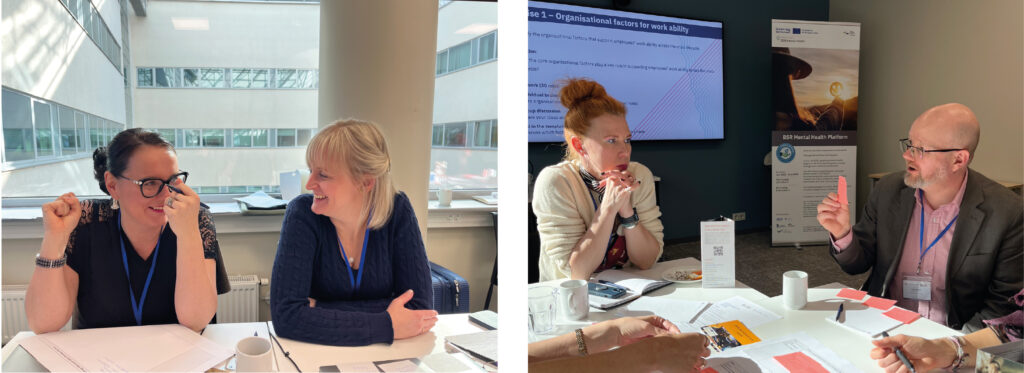
As the workshop concluded, it became clear that safeguarding employee work ability during periods of acute strain is a complex challenge requiring continuous, multi-disciplinary effort. The participants also acknowledged that we still have a lot to learn from the recent crisis, such as COVID-19 pandemic. The identification of these capacity gaps is just the beginning. The vital work of equipping organizations and their workforces to anticipate, manage, and recover from crises is ongoing.
The EPIC project is financed by the Swedish Institute

Project partners
