A WHO/ Europe recent report explores the role of Nordic alcohol monopolies
WHO/Europe has published a report “Nordic alcohol monopolies: understanding their role in a comprehensive alcohol policy structure and public health significance” that brings attention to the Nordic alcohol monopolies as a proven strategy for reducing both alcohol consumption and the associated harm. Unlike the traditional commercial alcohol sales systems that prioritize profit, these state-owned monopolies operate with a strong public health mandate at their core. By restricting availability and minimizing the influence of private profit-driven interests, the Nordic model offers a compelling example of how policy can directly support the well-being of society.
The Nordic countries have historically been characterized by frequent episodes of heavy drinking of distilled spirits and a high burden of alcohol-related diseases. The monopoly-based alcohol policy systems were established in response to the engagement of civil society to reduce alcohol-attributable harms experienced in this part of Europe, as an alternative to alcohol prohibition. Historically, these monopolies have contributed to a shift in northern Europe from irregular, heavy drinking to more moderate consumption, resulting in lower alcohol consumption and harm compared to other European countries.
The Nordic alcohol retail monopolies are State-owned enterprises exclusively authorized to handle the retail sale of alcoholic beverages. Integrated into the national alcohol strategies of their respective countries, these monopolies have been established to mitigate the health and societal harm caused by alcohol and are focused on limiting alcohol availability, rather than generating State income. They implement these strategies by:
-
-
- controlling the number of stores;
- limiting operating hours;
- enforcing age limits;
- banning promotional pricing;
- eliminating advertising and sales promotions, including online.
-
This approach not only reflects a societal responsibility towards public health but also aligns with broader public policy objectives to safeguard community well-being. Although the systems differ at both regulatory and policy levels, they are similar in structure, and there is a clear consensus on the role and overall goal of the Nordic approach. Nevertheless, each country and territory maintain its own national and local alcohol policies and legislation. This comes with its pros and cons. Because of its high prevalence of heavy episodic drinking and high levels of alcohol consumption, Finland is an exception. It stands out for having the lowest monopoly coverage, with most alcohol consumed outside monopoly stores. This coverage is expected to decline further in the future as the role of the alcohol monopoly has been reduced in recent years. These legislative changes threaten to undermine the longstanding harm reduction role of monopolies and pose significant public health risks resulting from the potential increase in alcohol availability.
On the positive side the Nordic alcohol monopolies enjoy strong public support and a high level of trust, both because they provide a good service from the customer’s point of view and because the restrictions are understood to serve the community. The Nordic alcohol monopolies approach alcohol as more than just a regular commodity, recognizing its profound impact on public health and social well-being. Acknowledged by WHO, these monopolies recognize that alcohol consumption carries substantial health risks and societal costs and therefore demands robust regulatory measures beyond those applied to typical consumer goods. By maintaining control over alcohol sales, the Nordic alcohol monopolies view their role not merely as retailers but as integral parts of broader national alcohol strategies, ensuring the responsible management of alcohol consumption within society.
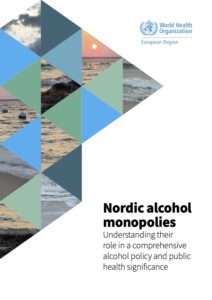 Read in the report:
- Introduction of the Nordic retail monopoly systems that aim to restrict availability of alcoholic beverages and to sell them without maximizing profit;
- Examination whether the monopolies have been effective in reducing the health and social burden to individuals and society due to alcohol consumption in a region of Europe that is known to have drinking patterns that results in high rates of acute alcohol-related harm;
- The historical context and how contemporary alcohol retail monopolies have been able to adjust to EU regulations;
- The monopolies public support for their restrictive alcohol policies, balancing principles of control and freedom while addressing the sometimes conflicting interests of public health and consumers;
- The current challenges facing some of the Nordic monopolies and to consider the latest evidence on what would happen to public health if these monopolies were dismantled today.
Today, Nordic alcohol monopolies are recognized as modern, efficient and adaptable instruments of alcohol policy and the numbers speak for themselves. In the Nordic monopoly countries and territory, APC and related metrics are below the EU average and indicators of alcohol consumption among young people also show lower prevalence compared to other European countries. Despite recent policy changes threatening their effectiveness, the Nordic alcohol monopolies remain crucial to national alcohol strategies, safeguarding public health and reducing alcohol-related harms.
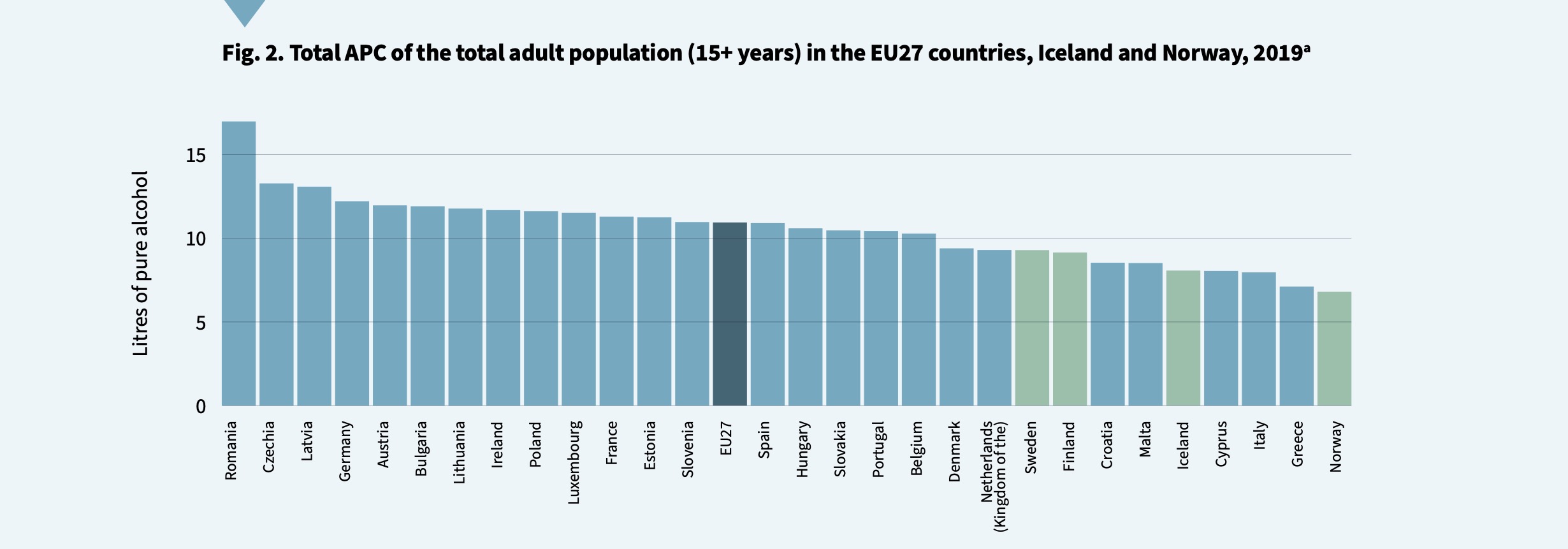
APC is measured in litres of pure alcohol. Data are derived from the WHO Global Information System on Alcohol and Health
To continue building on the ongoing efforts to reduce the harmful use of alcohol in the Nordic-Baltic region, experts from the NDPHS Alcohol and Substance Use group will gather in Vilnius, Lithuania on February 20, 2025. Alongside representatives from WHO Europe, a key element of the discussion will be the presentation of the recent WHO report. The meeting will highlight the importance of our collective work and expertise and will serve as a platform for sharing national and regional efforts in alcohol harm reduction.
Related documents: The NDPHS Declaration on Alcohol Policy, adopted in 2018