Building a Healthier Workforce: New policy recommendations and a digital tool boost mental health for resilient teams
Mental health is just as important as physical health. When we feel mentally positive, we are more engaged, motivated, and productive in our lives. However, declining mental health of people at workplaces is a growing concern in the Baltic Sea Region. The Interreg Baltic Sea Region MentalHealthMatters project is a collective commitment to drive change towards more sustainable working lives and invites to proactively address psychosocial risks in work environments. We tend to respond to issues only once they’ve escalated, and preventive measures are frequently overlooked, stresses Karin Reinhold, Associate Professor on Management of Well-being at Work at the Tallinn University of Technology. The employer should find the motivation to tackle mental health at work. But we cannot rely that every employer is acting proactively (..). We cannot rely on their inner motivation.
The aim of the MentalHealthMatters project is to lay a foundation for building and nurturing a resilient workforce and to initiate change in how we approach mental well-being at work. The project benefits from its transnational consortium of experts while uncovering the unique national contexts, gaps and needs of Estonia, Finland, Latvia, Poland, and Norway.
The freshly published Discussion Document on Policy Options explores country-specific recommendations that address national challenges that impact the mental health of the workforce in Estonia, Finland, Latvia, Poland, and Norway. The national priorities of these countries cover a wide array of themes from creating a safe and healthy working environment for migrant workers in the cleaning industry in Norway to interprofessional education for occupational safety and health professionals in Finland, raising awareness for psychosocial risks among employers in Latvia, future trends in the world of work and their impact on mental health in Estonia, and helping workplaces address psychosocial risks and promote mental health in Poland. The national chapters are supported by country-specific technical reports that uncover the current state of occupational health and safety policies, regulations, data availability and education, highlighting the progress made and remaining needs for improvement.
The Discussion Document on Policy Options also highlights the value of collaboration across the Baltic Sea Region and an entire European Union to foster healthy workplaces, it outlines clear actions in improving the situation. The existing regional networks such as the EU Strategy for the Baltic Sea Region and the Northern Dimension Partnership in Public Health and Social Well-being have been identified as hubs that can serve for this collaboration on the topic. The discussion document is available in English and its national chapters are translated to respective national languages.
The idea for the First-Aid-Kit for mental health at work was born from the concept of the first aid kit that we use for physical injuries. Why do we look for a bandage when we cut a finger but we don’t look for help when we experience stress, poor work-life balance, interpersonal challenges or unclear roles in a team? They all can contribute to feelings of anxiety, burnout or chronic fatigue which, if not prevented or addressed timely, lead to poor mental health, insomnia or even depression and substance use. The online First-Aid-Kit curates practical, easy-to-implement solutions to help address these risks and to cope with consequences. It is tailored for employers, managers, supervisors, human resources professionals, and work environment representatives in small businesses. At the same time, the resources are applicable to our everyday life as employees and colleagues. The online tool is free of charge, can be used on any digital device and filters solutions based on easy keywords. It is made by people for people and aims to break obstacles between the mental health challenges and reliable, research based solutions.
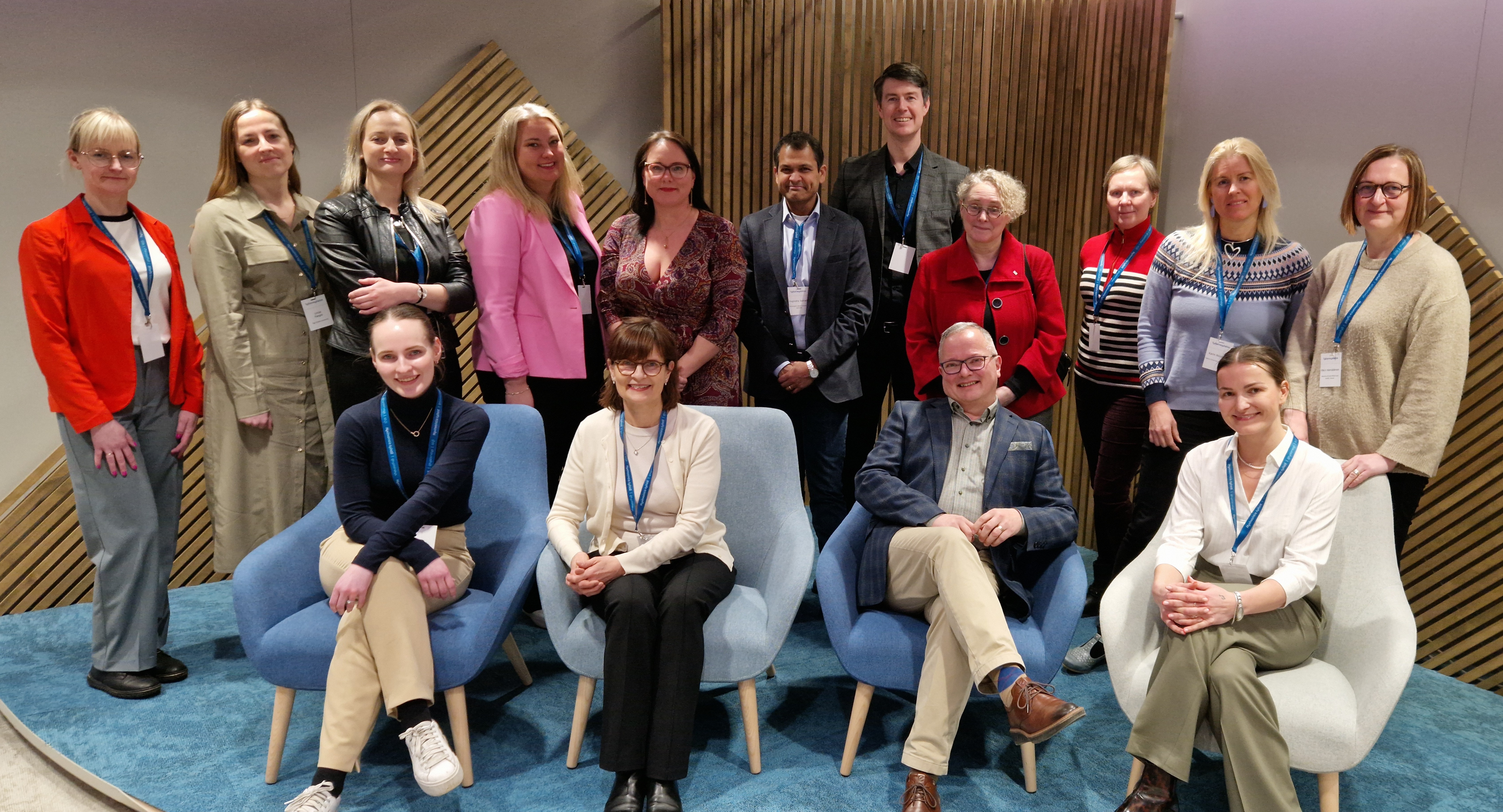
During the two-year-long MHM project that aimed to improve mental health in modern workplaces across the Baltic Sea Region, it became obvious that we have to address psychosocial risks with the same seriousness as physical risks. By proactively addressing psychosocial risks and fostering protective work environments, we can enhance people’s resilience and sustainability of businesses. The journey towards this future requires concerted efforts. It calls for policymakers to enact supportive policies and regulations and for employers and social partners to implement promising practices. The MHM consortium can’t highlight enough the necessity of collaborative and cross-sectoral efforts at both – national and transnational levels, to foster healthier and more sustainable working lives. The MentalHealthMatters project has established a foundation for this; now it’s time to build on it and make this vision a reality.
Text: Zane Vilnite, NDPHS Secretariat
MentalHealthMatters receives financial support from the Interreg Baltic Sea Region and is co-funded by the European Union.
Project partners: 