ASA Expert Group Meeting in Tallinn Explores the Future of Alcohol and Substance Use Policy in the Baltic Sea Region
How can governments maintain effective alcohol and substance use policies in an increasingly complex political landscape? This question shaped discussions throughout the 30th Meeting of the NDPHS Alcohol and Substance Use Expert Group (ASA EG), held on 17–18 June 2026 in Tallinn, Estonia.
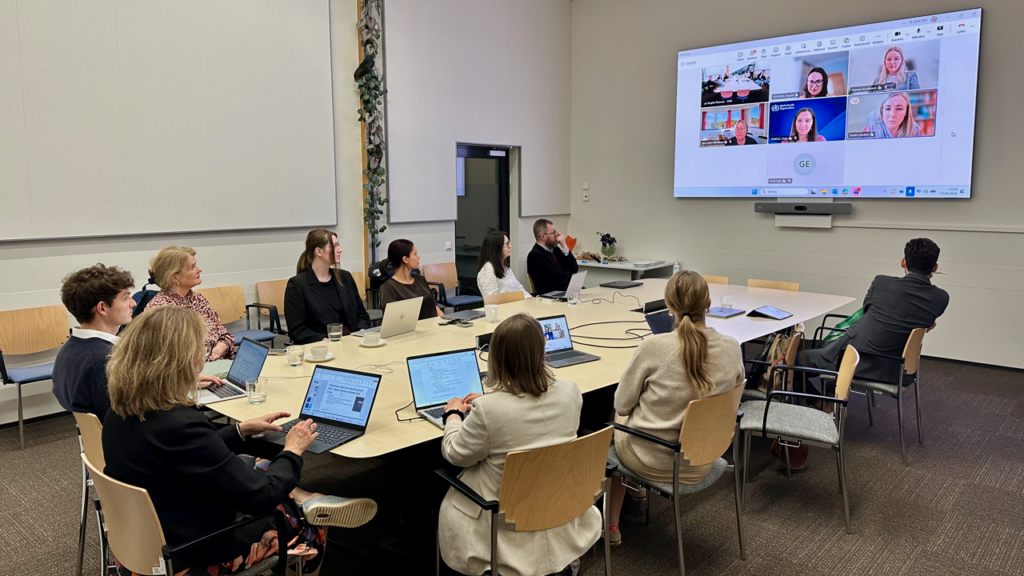
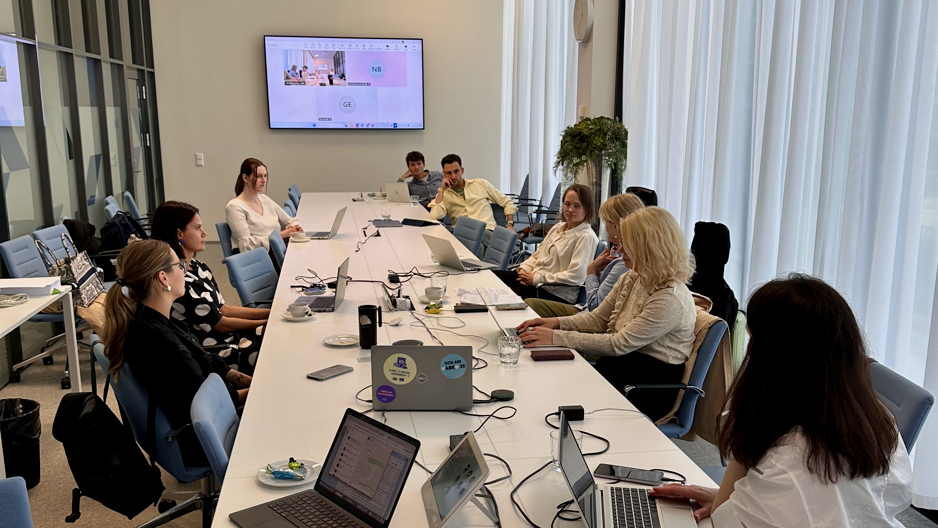
Hosted by the Estonian Ministry of Social Affairs, the meeting brought together policymakers, researchers, and public health experts from across the Baltic Sea Region to exchange experiences, discuss emerging challenges, and strengthen regional cooperation on alcohol, tobacco, nicotine, and drug policies.
The meeting was opened and moderated by Brigitta Õunmaa from the Estonian Ministry of Social Affairs, who welcomed participants from across the region and guided discussions over the two-day programme.
Public Health in a Changing Policy Environment
A recurring theme throughout the meeting was the changing policy environment surrounding alcohol and substance use. While the scientific evidence supporting effective prevention measures continues to strengthen, many participants observed that alcohol policy is increasingly influenced by economic priorities, consumer choice narratives, and market liberalisation.
Representatives from the World Health Organization (WHO) provided an overview of current international developments.
Angela Ciobanu, Technical Officer for Tobacco Control at WHO Europe, presented recent work on tobacco control, including forthcoming guidance on flavour bans, regulation of emerging nicotine products, tobacco cessation initiatives and educational resources designed to support nicotine-free environments for children and young people.
Daša Kokole from WHO’s Alcohol and Illicit Drugs Team highlighted ongoing work on alcohol labelling, taxation and pricing policies, new indicators measuring changes in alcohol consumption, and evidence demonstrating that comprehensive alcohol marketing restrictions can substantially reduce alcohol use among adolescents. Together, the WHO presentations reinforced the importance of comprehensive, evidence-based approaches to reducing alcohol- and tobacco-related harm.
Different Countries, Different Policy Directions
Country presentations illustrated that although many nations share similar public health objectives, they are pursuing markedly different policy paths.
Ginta Egle from Latvian Ministry of Health presented Latvia’s recent alcohol policy reforms, introduced in response to increasing alcohol consumption and growing concerns about the normalisation of alcohol use. The reforms include reduced retail opening hours, restrictions on loyalty card discounts, bans on multi-buy promotions, and tighter controls on promotional practices. While implementation continues to face challenges, particularly in relation to digital marketing and enforcement, the reforms reflect Latvia’s continued commitment to reducing alcohol-related harm.
A contrasting perspective came from Finland, where Saara Karttunen from Ministry of Social Affairs and Health outlined the government’s ongoing programme of alcohol market liberalisation. Proposed reforms include home delivery of alcoholic beverages, cross-border distance sales, expanded online marketing of stronger alcoholic beverages, and wider direct sales rights for producers. Participants discussed the potential implications for alcohol availability, consumption patterns, and the long-term sustainability of Alko’s retail monopoly.
Despite differing policy approaches, several countries reported encouraging long-term trends in public health.
Presenting developments from Sweden, Nina Rehn-Mendoza from Folkhäsomyndigheten reported continued declines in alcohol consumption among young people and decreasing drug use across age groups. At the same time, Sweden is seeing growing use of nicotine pouches, highlighting the evolving nature of nicotine consumption.
Estonia presented developments across tobacco, alcohol, and drug policy through two complementary presentations. Aive Telling from the Estonian Ministry of Social Affairs highlighted declining smoking rates alongside increasing use of e-cigarettes among young people, recent legal developments supporting restrictions on flavoured e-cigarettes, and preparations for new tobacco policy guidelines. Kristiin Mikko from the Estonian Ministry of Social Affairs reported declining alcohol consumption over the past two years, ongoing negotiations on a new national alcohol policy strategy, and continued efforts to strengthen Estonia’s drug policy framework, including new measures to address synthetic cannabinoids.
Lithuania continues to demonstrate the long-term impact of a comprehensive alcohol policy. Brigita Rašimaitė from the Ministry of Health of the Republic of Lithuania presented data showing declining alcohol consumption since 2016 while maintaining one of the region’s strongest alcohol control frameworks, including comprehensive advertising restrictions, mandatory pregnancy warning labels, restrictions on alcohol availability, and a minimum purchasing age of 20 years.
Norway reaffirmed its commitment to a restrictive alcohol policy model. Anniken Therese Sand from the Norwegian Ministry of Health and Care Services described continued support for the country’s retail monopoly and comprehensive advertising ban while also outlining ongoing discussions on digital alcohol sales, farm sales, alcohol warning labels, and measures to address increasing cocaine use.
Several countries reported declining alcohol consumption among younger generations. Sweden highlighted continued reductions in youth alcohol use and overall drug consumption, while also noting increasing use of nicotine pouches. Estonia reported similar declines in smoking but growing concern about e-cigarette use among young people. Lithuania presented data showing a long-term decline in alcohol consumption while maintaining one of the region’s most comprehensive alcohol control frameworks, including strict advertising restrictions, mandatory warning labels, and a minimum purchasing age of 20 years.
Regional Cooperation Remains Essential
Beyond national developments, regional organisations highlighted the value of continued collaboration and knowledge exchange.
Pia Nevala Westman from the Nordic Welfare Centre presented the Centre’s work on comparing national alcohol guidelines, disseminating research through PopNAD and Nordisk alkoholfakta, and new initiatives aimed at preventing nicotine use among young people.
Representing NordAN, Lauri Beekmann reflected on the growing challenge of translating scientific evidence into public policy. While the evidence supporting effective alcohol policies has never been stronger, he observed that policy decisions are increasingly influenced by political priorities, economic interests, industry lobbying, and changing public attitudes. The discussion underscored the importance of regional cooperation in sharing both successful experiences and lessons learned.
Maik Dünnbier from Movendi International presented recent analyses of the societal costs of alcohol consumption, emphasising that alcohol-related harm continues to impose substantial burdens on healthcare systems, national economies, and communities. Discussions also explored evolving international guidance on alcohol and health, including growing recognition of the link between alcohol consumption and cancer risk.
Looking Ahead
The meeting also looked beyond current policy developments to the future of regional cooperation.
Ülla-Karin Nurm from the NDPHS Secretariat updated participants on developments within the Partnership. Participants explored opportunities to strengthen cooperation through the EU Strategy for the Baltic Sea Region, develop new regional projects, and make greater use of available funding instruments.
The meeting concluded with a discussion on the future role of the ASA Expert Group. Participants agreed that the group’s greatest strength lies in providing a trusted platform for exchanging knowledge, addressing cross-border challenges, and supporting evidence-informed policymaking across the Baltic Sea Region. As alcohol, tobacco, nicotine, and drug policies continue to evolve, regional dialogue and collaboration remain essential for protecting and improving public health.
ASA Expert Group is one of the expert groups of the Northern Dimension Partnership in Public Health and Social Well-being (NDPHS), bringing together representatives from Ministries of Health, national public health institutes and international organisations across the Baltic Sea Region. The group promotes knowledge-based policymaking by facilitating the exchange of experiences, evidence and best practices on alcohol, tobacco, nicotine and other psychoactive substances to reduce their health and social harms. Through regular meetings and regional cooperation, the ASA Expert Group supports countries in developing effective policies that improve public health and prevent substance-related harm.
Read more: Alcohol and Substance Use Expert Group (ASA EG)