NDPHS Partnership Annual Conference Showcases Its Impact and Marks the Transition of Chairship from Lithuania to Norway
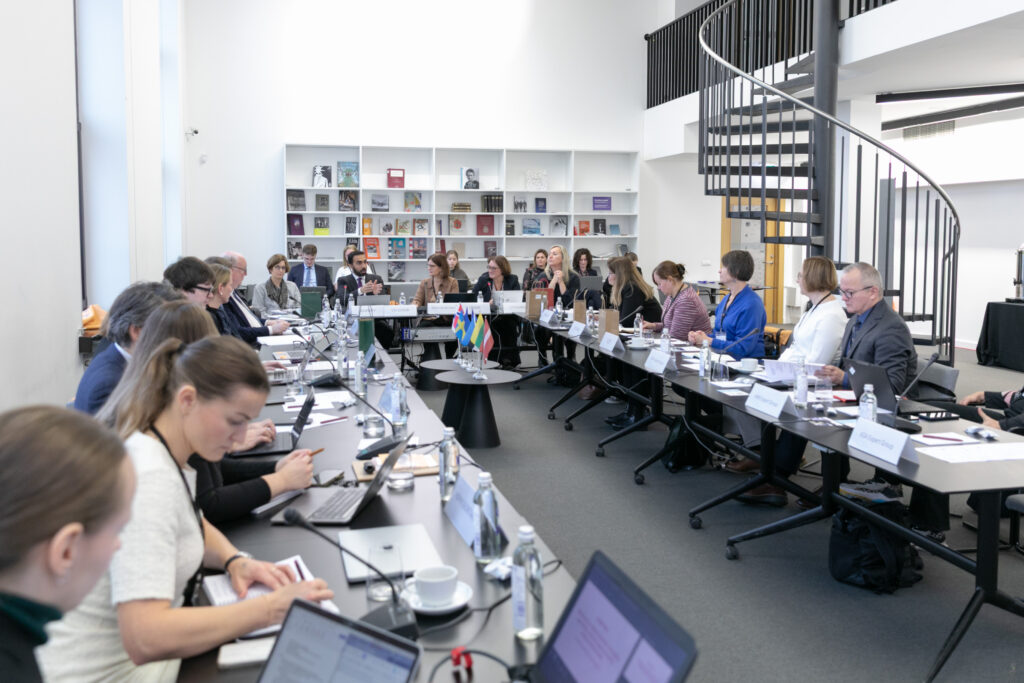
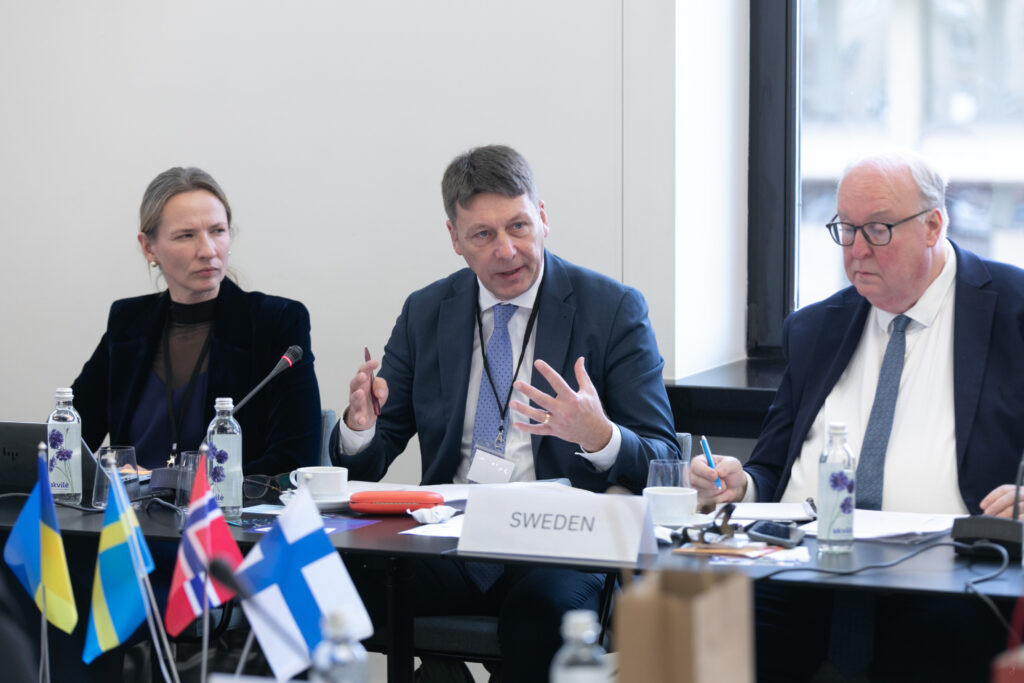
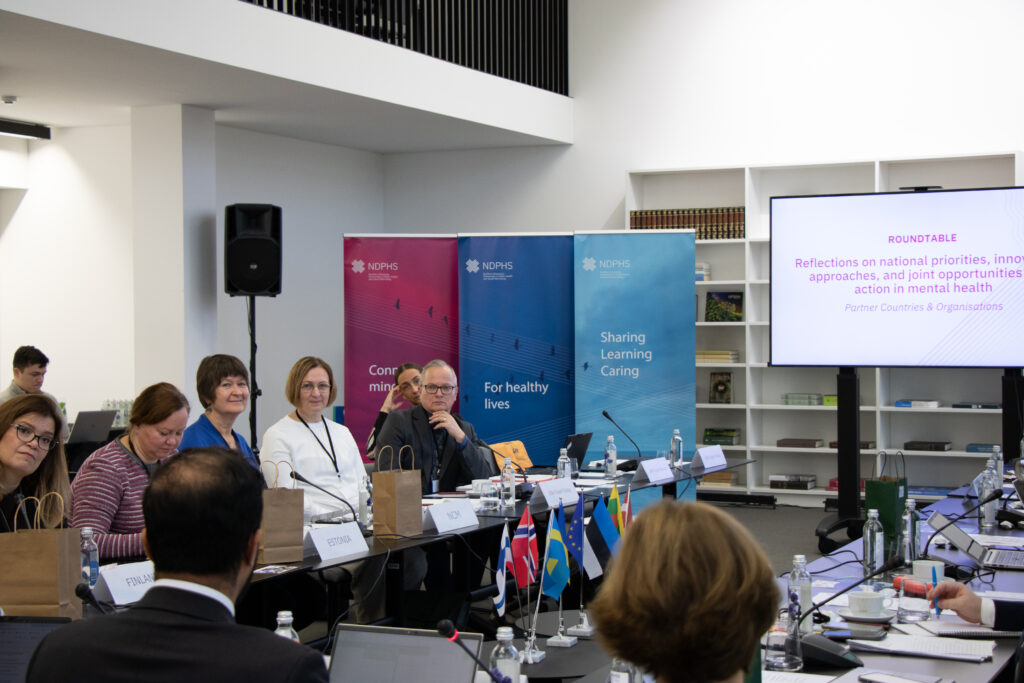
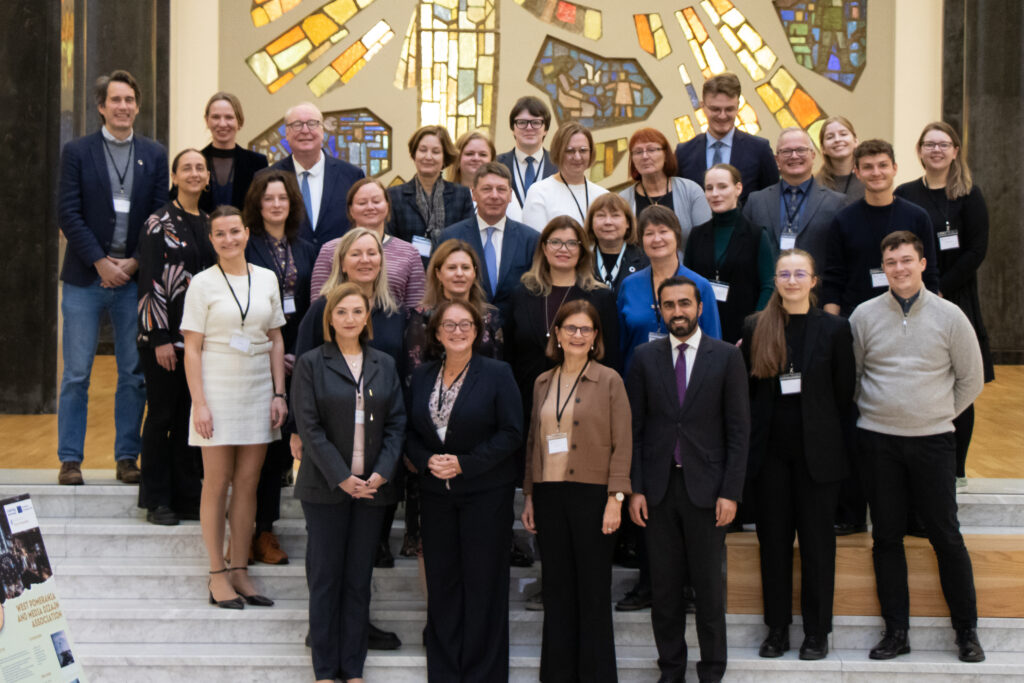
The Northern Dimension Partnership in Public Health and Social Well-being held its 17th Partnership Annual Conference (PAC) on 14 November 2025 at the National Library of Lithuania in Vilnius. The meeting was chaired by the Vice-Minister of Health of Lithuania, Dr Laimutė Vaidelienė, and co-chaired by the State Secretary for Health and Care Services of Norway, Usman Ahmad Mushtaq.
Mental Health at the Core of Regional Resilience
A key theme of the PAC was the increasing focus on mental health as a vital foundation of people’s social well-being. Delegates endorsed the Statement on Strengthening Mental Health for a Resilient Baltic Sea Region, underscoring that investing in mental health is not only a moral imperative but also a strategic one, essential to building strong, inclusive, and innovative societies.
Participants were presented with the outcomes of the Partnership’s major projects, funded by the Interreg Baltic Sea Region:
 Mental Health Matters, led by the NDPHS Secretariat and the Expert Group on Occupational Safety and Health, developed concrete policy recommendations and tools to help employers and policymakers address psychosocial risks in workplaces. Its evidence-based approach has already informed policy dialogue in multiple Partner Countries and at the EU level.
Arts on Prescription , led by Odense Municipality in Denmark, successfully demonstrated how culture and health intersect. The project’s pilots across the region integrated creative activities into healthcare pathways, showing measurable improvements in participants’ well-being and social connections.
 The launch of the Baltic Sea Region Mental Health Platform, recognised by Interreg as an Operation of Strategic Importance. The platform ensures that knowledge and practices developed through various projects in the Baltic Sea Region are sustained, shared, and scaled up.
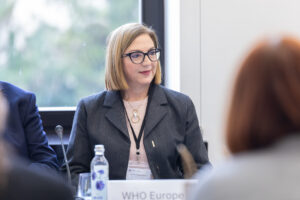
Intervention by WHO Europe
Dr Natasha Azzopardi Muscat of the WHO Regional Office for Europe, emphasised the importance of close collaboration between the WHO and the EU in advancing mental health. She reiterated that today’s mental health challenges cannot be addressed by a single country or the healthcare sector alone; they instead require coordinated cross-sectoral and international efforts. Dr Muscat called for a continued investment in youth, particularly given the risks that exposure to the digital environment and social media poses to their mental health. Dr Muscat also drew attention to the mounting psychological pressures on health and care professionals and emphasised that improved working conditions are essential to attract and retain younger generations in these fields.
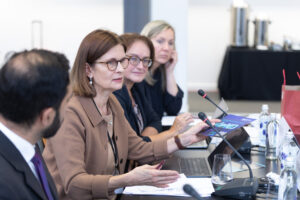 Showcasing the Impact of the Partnership
Dr Ülla-Karin Nurm, the Director of the NDPHS Secretariat, emphasised that by bringing together experts, civil society actors, and policymakers from across Northern Europe, the Partnership has strengthened its role as a subregional multilateral platform that turns innovative ideas into practice.
Drawing on more than two decades of joint work, Dr Nurm highlighted that the Partnership has repeatedly translated member contributions into concrete, measurable outcomes. Since 2023, the Partnership has been actively engaged in 10 projects as a lead or partner, with several outputs and practices piloted or applied across member countries.
She highlighted a series of activities that demonstrate the Partnership’s role in advocacy and public health diplomacy. Among others, these include hosting a workshop on cross-border transfer of social innovation, contributing to a conference on Psychosocial Working Environment in Helsinki organised by the Finnish Presidency of the Nordic Council of Ministers, hosting a session on Social Prescribing at the 2025 European Health Forum Gastein, and leading a session on “How to Sustainably Promote Mental Well-being at Work” at the EUSBSR Annual Forum in Sopot.
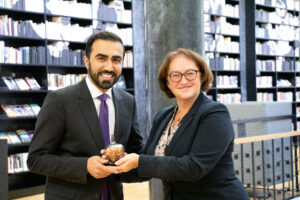 The Conference marked the transition of Chairship from Lithuania to Norway, a start of a new leadership period for 2026–2027, with Finland stepping into the Co-Chair role.
Norway underscored its commitment to transforming the Partnership and emphasised the importance of tackling urgent regional issues, from mental health to strengthening cooperation with Ukraine. With a substantial national investment in people’s mental health, Norway signalled that its Chairship will build on the momentum established in recent years. Finland, stepping into the Co-Chair role, highlighted the significant value gained from the Expert Group work and underscored the importance of ensuring the Partnership continues to align with regional needs and global health priorities.
A United Vision for a Healthier Region
The Conference concluded on a positive note, with Delegates expressing optimism and determination. The discussions, decisions, and new initiatives adopted in Vilnius demonstrate that the Partnership remains a key player in regional cooperation, continuing to adapt, innovate, and deliver results.